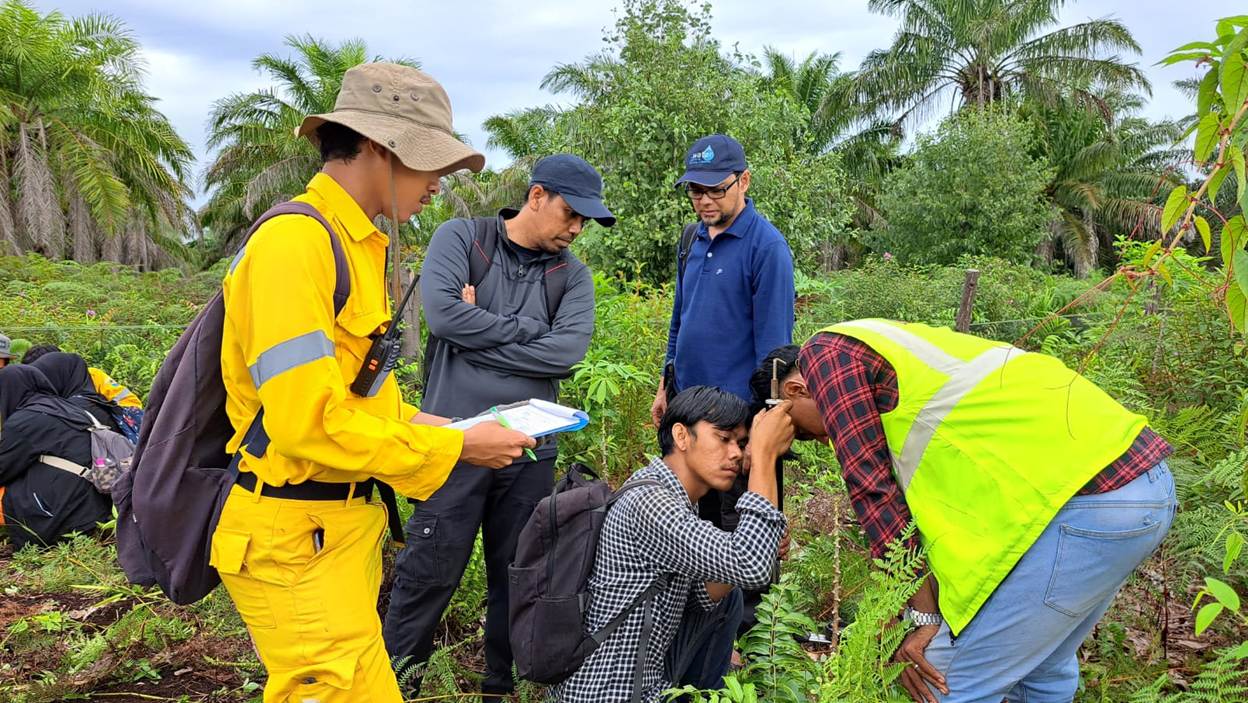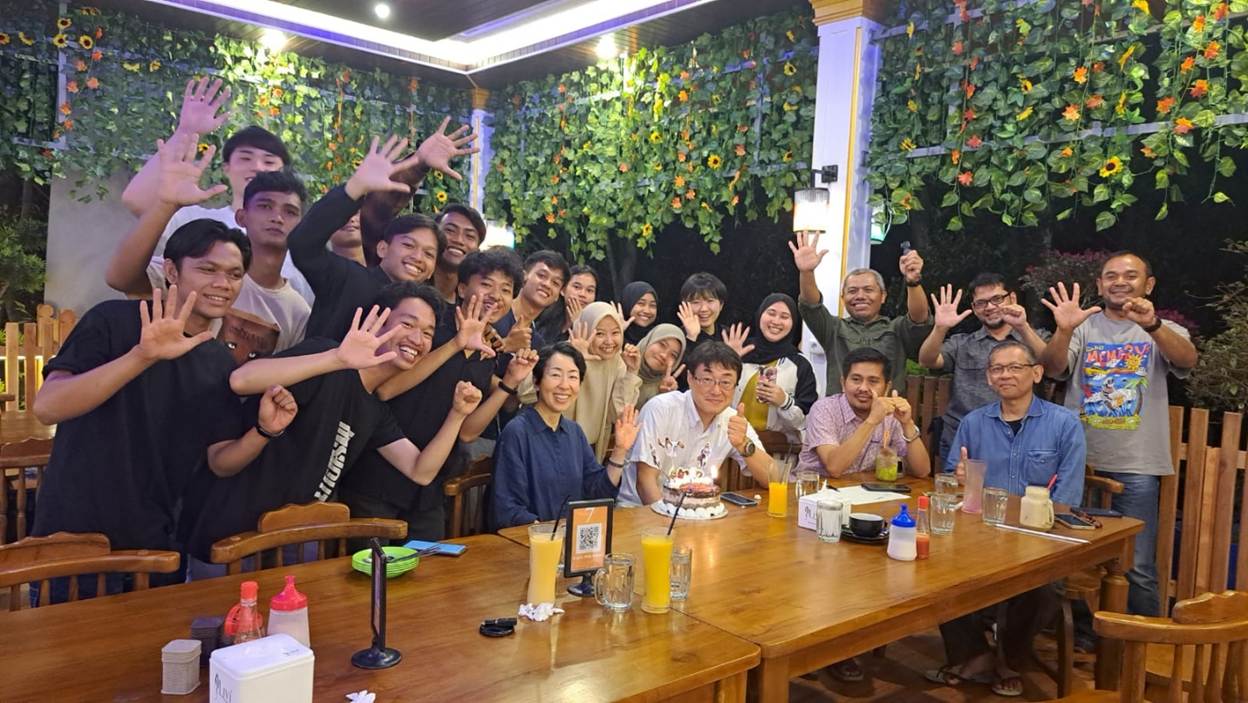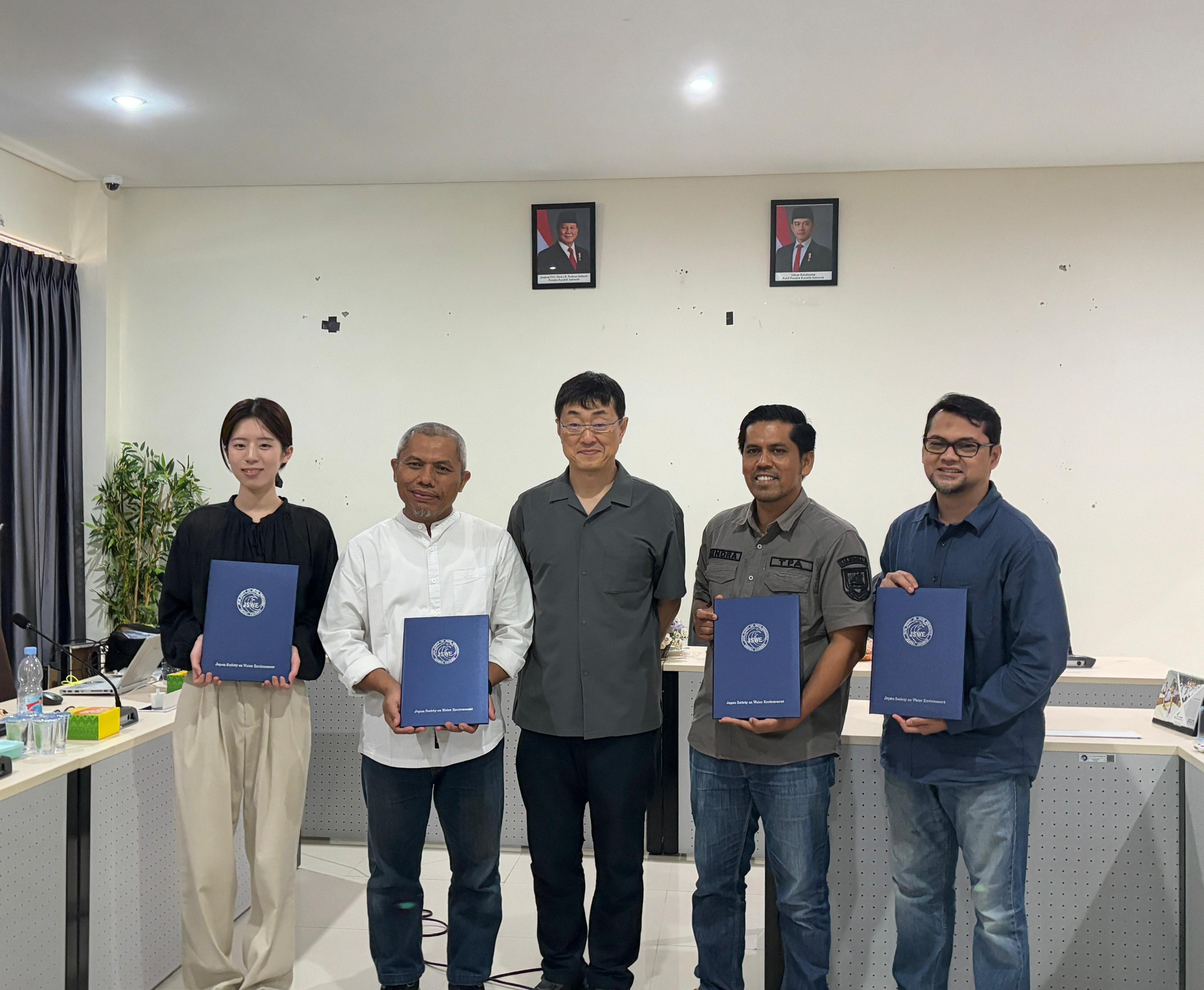
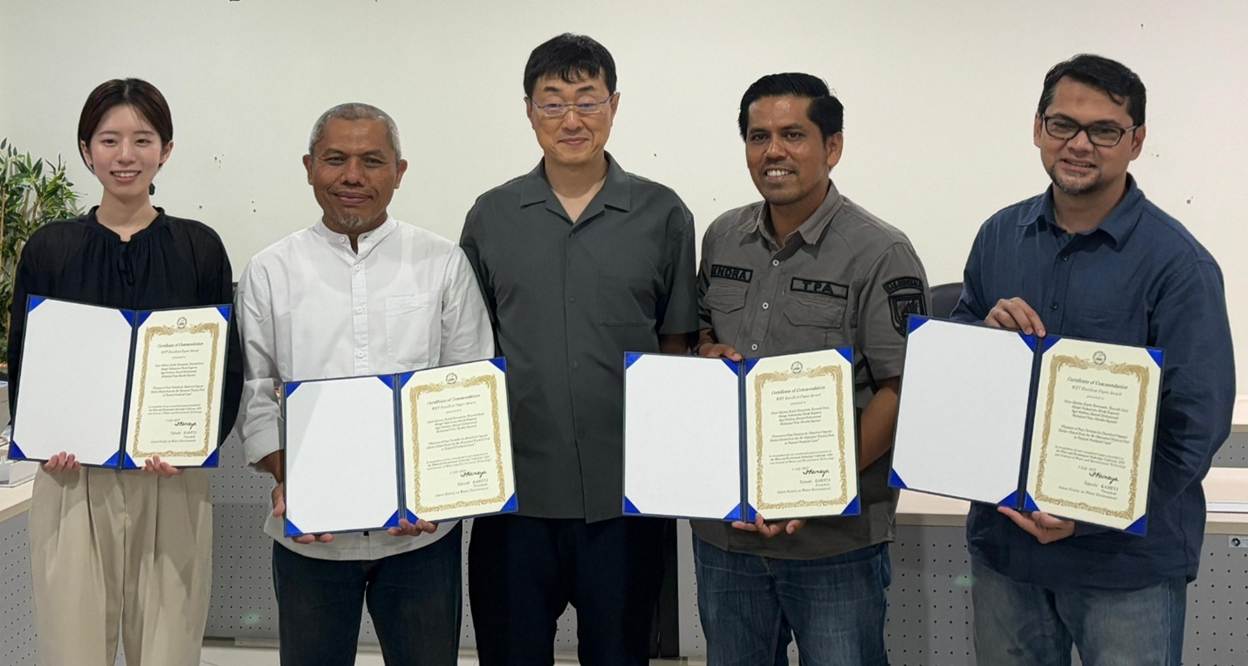
Pekanbaru, Indonesia — A research team from Universitas Riau (UNRI)—through the Center for Peatland and Disaster Studies (CPDS)—together with Politeknik Negeri Bengkalis (POLBENG) and Yamaguchi University (Japan), has won the WET Excellent Paper Award from the Japan Society on Water Environment (JSWE). This award is presented twice a year and the winners are selected from around 40 nominations, underscoring the international recognition for the team’s collaborative work.
What did they discover?
Riau hosts one of the largest tropical peatland areas in Indonesia—about 4.9 million hectares—making peat research crucial. In the Bengkalis peat coast, the team documented an eye-catching phenomenon: groundwater seeping from peat cliffs creates natural foam along the shoreline. This foam acts like tiny life jackets, lifting fine peat particles to the sea surface where currents can carry them farther and exposure to air can speed up their breakdown. The finding reframes how we understand degradation and movement of peat material in coastal environments.
The consortium & the JSWE award
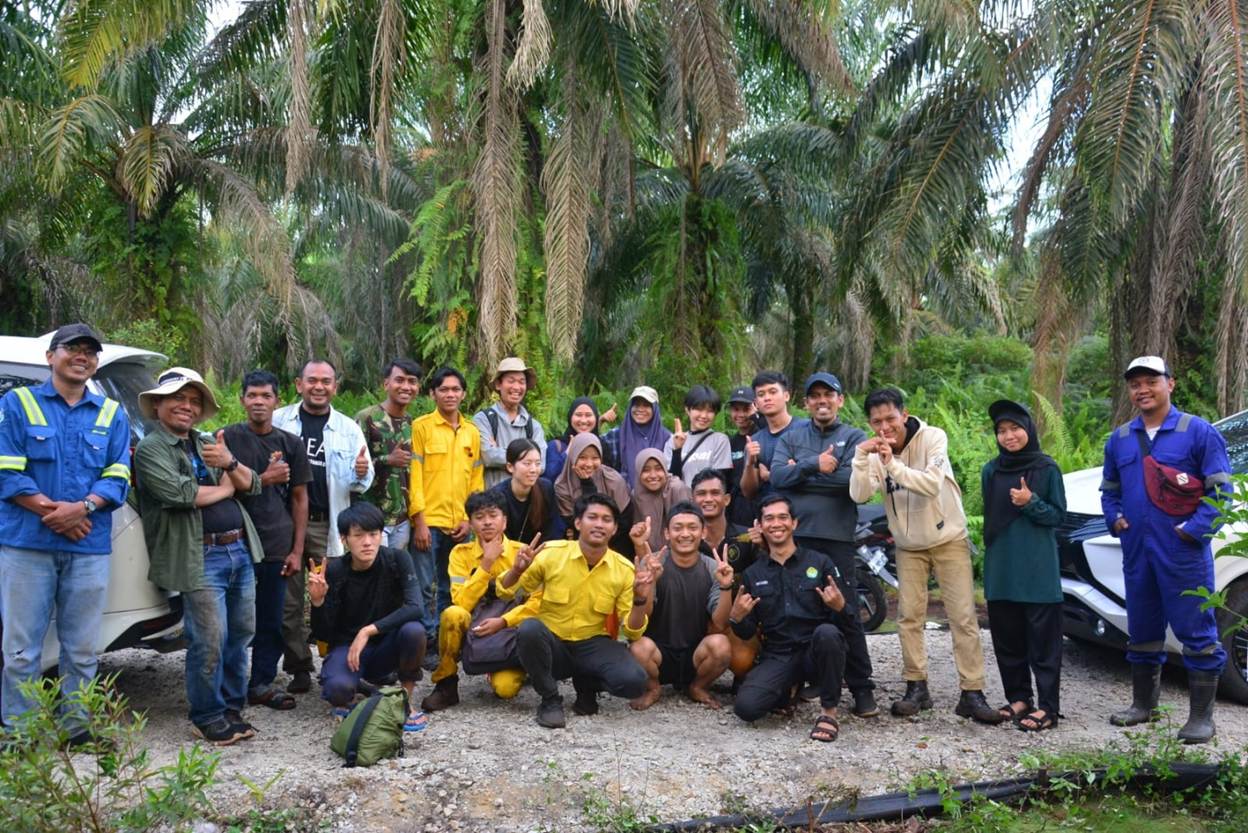
The field and laboratory work was carried out by an international team. The Indonesian group was led by Dr. Eng. Sigit Sutikno, ST., MT (Head of CPDS–UNRI), with Drs. Ahmad Muhammad, M.Si (UNRI), Muhamad Yusa, PhD (UNRI), and Hendra Saputra, ST., MT (POLBENG). They partnered with Professor Koichi Yamamoto and colleagues from Yamaguchi University. The research was published as:
“Flotation of Peat Particles by Dissolved Organic Matter Eluted from the Re-Deposited Tropical Peat in Tropical Peatland Coast.” This paper earned the WET Excellent Paper Award from JSWE, which honors the best papers presented at the Water and Environment Technology (WET) international conference.
Why it matters
Natural foam that floats peat particles has big implications for coastal peatland health, especially as sea level rises and climate change intensifies erosion and degradation. Understanding this mechanism helps scientists better track carbon degradation and transport in peat-rich coasts. The achievement also highlights the power of international collaboration—combining local expertise from UNRI and POLBENG with advanced methods and networks from Yamaguchi University—to deliver insights that support the protection of tropical peatland ecosystems.