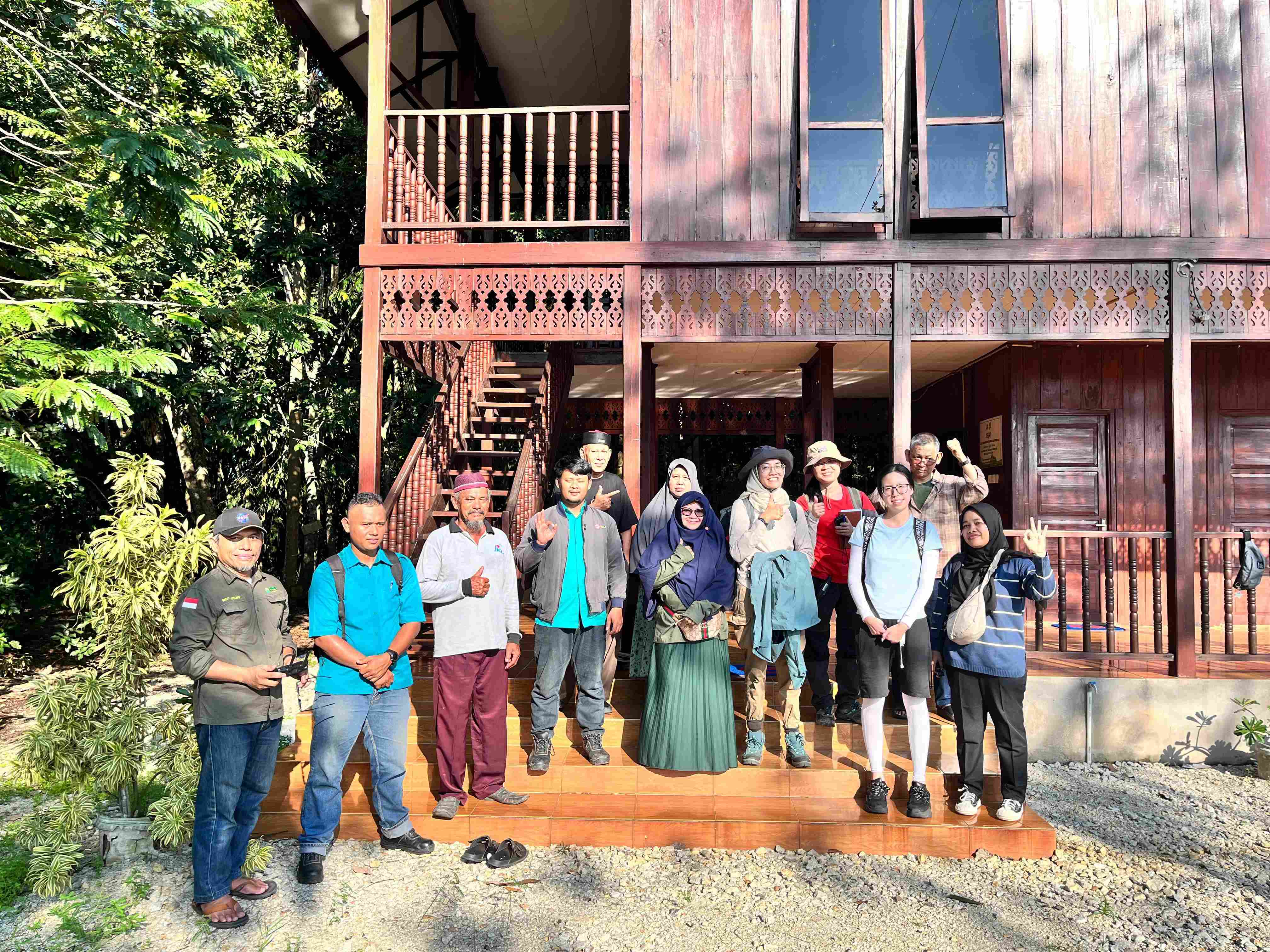
PUI-GK / CPDS Initiates Collaboration with NTU, Singapore
The Center for Peatland and Disaster Studies (PUI-GK) / Center for Peatland & Disaster Studies (CPDS) at the University of Riau has officially initiated a research collaboration with the Asian School of the Environment (ASE), Nanyang Technological University (NTU), Singapore. This collaboration stems from a letter from ASE addressed to the Director of CPDS, Dr. Sigit Sutikno, dated August 29, 2025, expressing appreciation and scheduling a visit to discuss potential collaboration and review the research site from September 22–28, 2025.
In the letter, NTU assigned a team consisting of Nur Estya Binte Rahman and Jessie Qian Xintong (ASE doctoral students), and Dr. Zu Dienle Tan (ASE/EOS researcher), with academic mentoring from Associate Professor Janice Ser Huay Lee. The team will collaborate with CPDS to assess peat carbon dynamics and plant traits under various land uses and disturbances such as floods and fires, as well as explore alternative peatland utilization options after concessions expire.
The initiative began in Pekanbaru with an alignment meeting between the NTU and CPDS-UNRI teams. This initial face-to-face session established shared objectives, established an initial work plan, and agreed on an evidence-based approach and the needs of local communities.
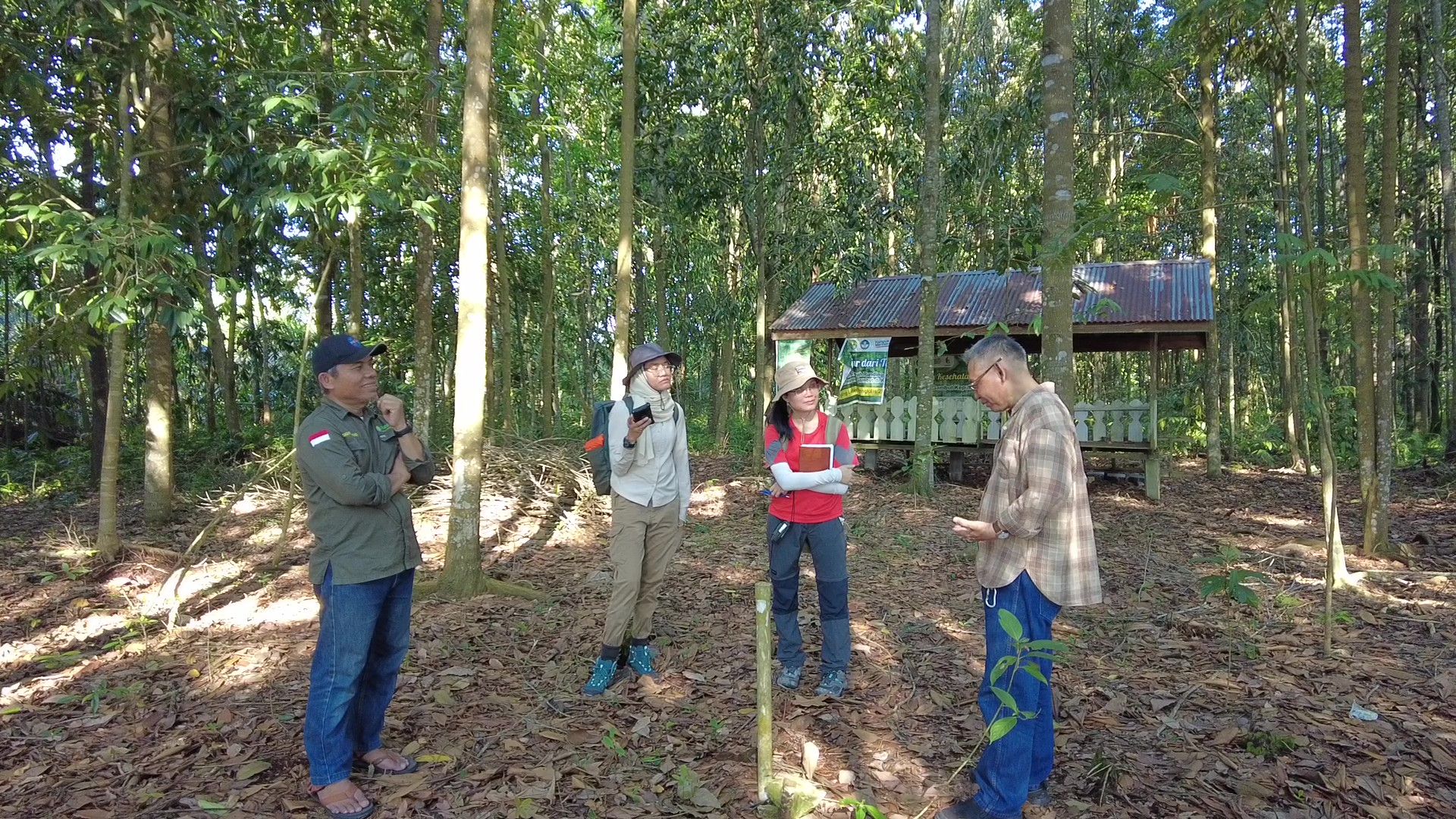
Following the meeting, the team conducted a field trip (recce trip) from September 22–28 to map the site and key actors in several Riau peatland landscapes. The main agenda included meetings with potential collaboration partners, initial surveys of potential research sites, and in-depth conversations with the community to understand the local socio-ecological context.
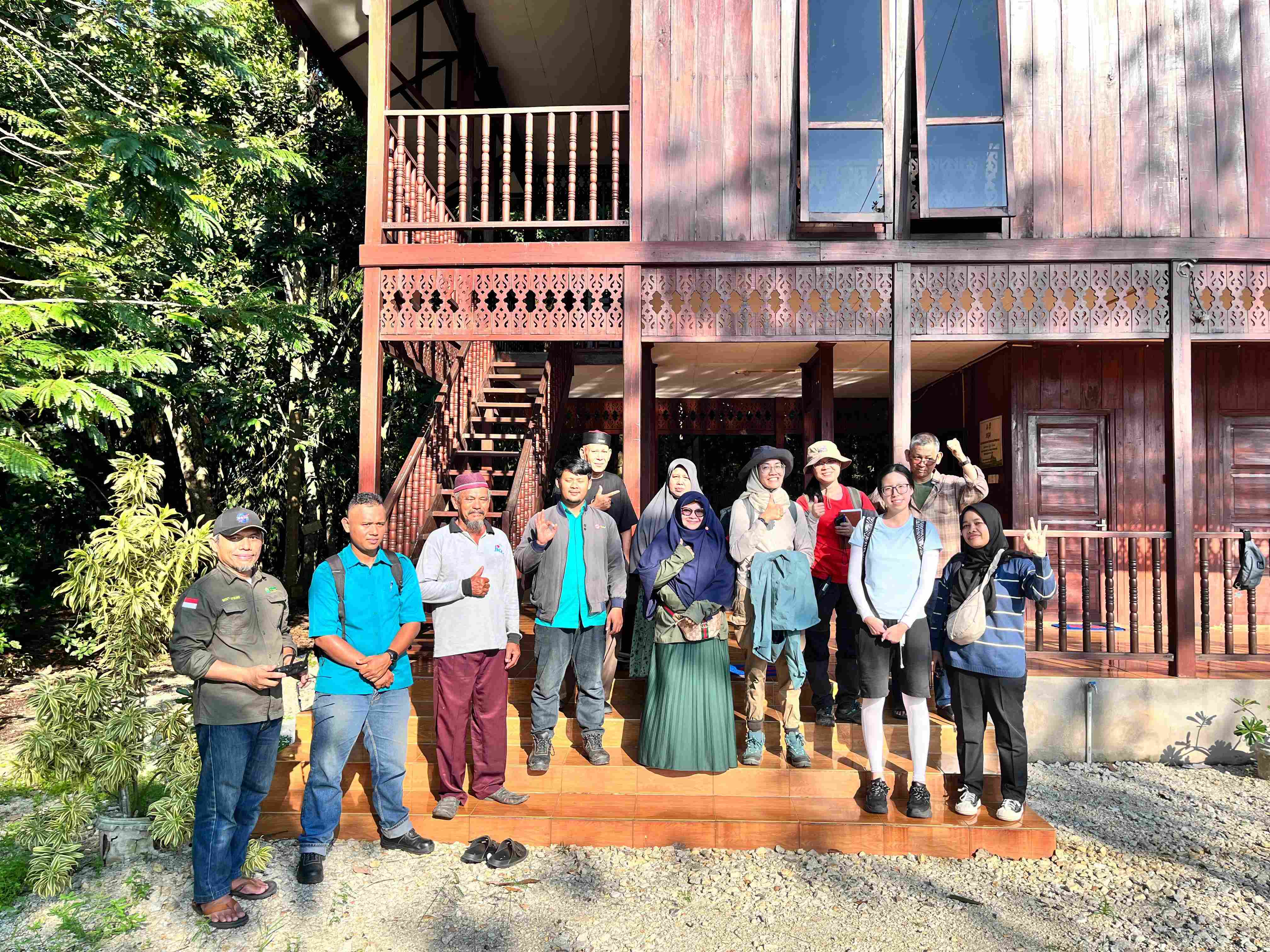
In Tanjung Leban, the team visited the Rumah Runding (House of Negotiations) and held discussions with Mr. Nur, Mr. Rom, and members of BBHA. This visit opened a dialogue about water management practices through canal blocking and introduced various types of plants managed by the community on peatlands. These direct observations helped the team map relevant research questions—from groundwater level dynamics and vegetation composition to the potential for community-based restoration.
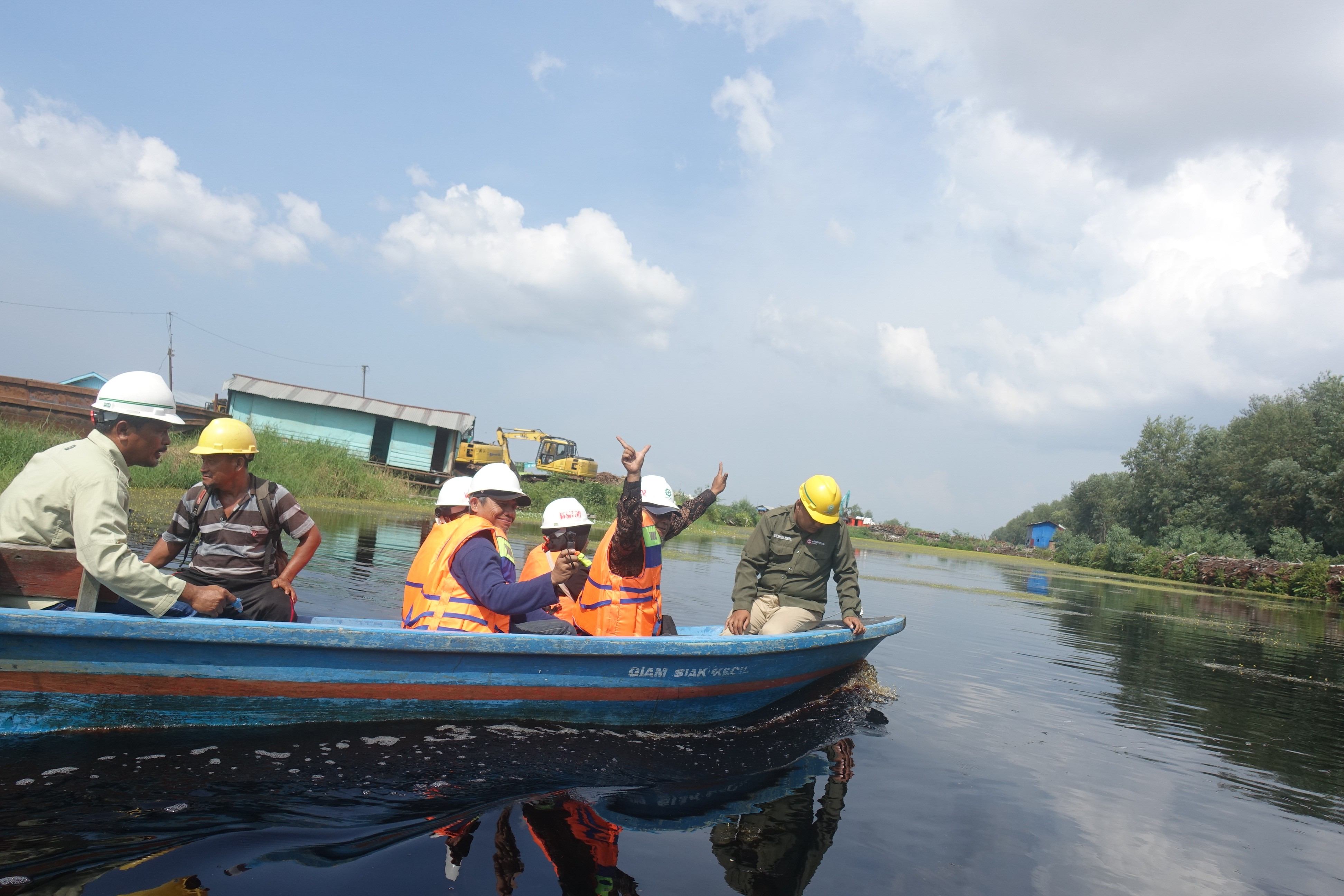
The exploration continued to Temiyang and the PT. SPM area. In Temiyang, the team shared two-way knowledge about landscape management practices; while at PT. SPM, the group explored the Protected Forest and interacted with local fishermen to understand their livelihood dependence on the peatland water network. These initial findings deepened our understanding of ecological-social linkages, which would inform the design of a long-term study.
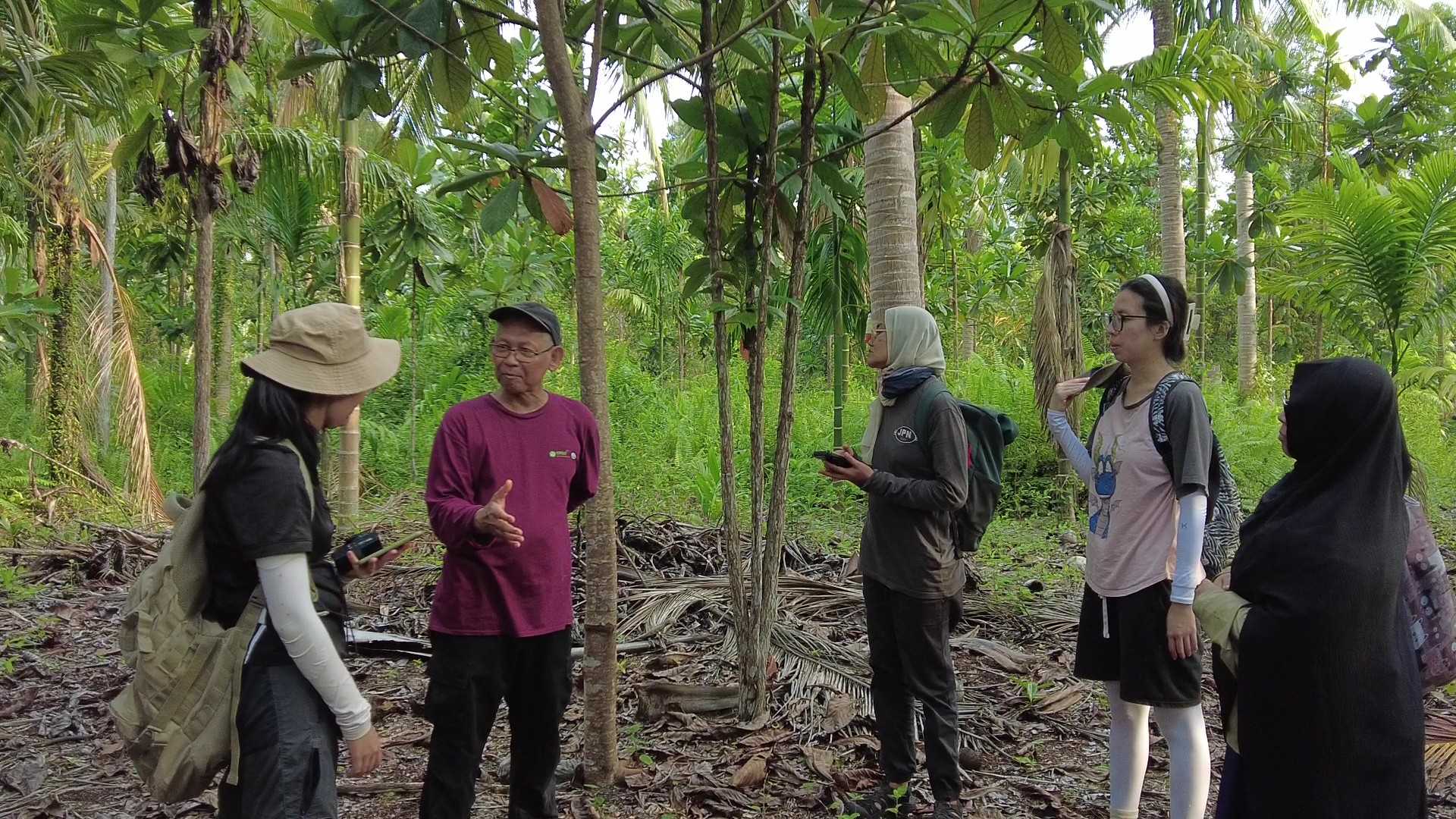
In Sungai Tohor, the team directly observed livelihood dynamics, entered logged-over areas, discussed cocoa initiatives being initiated by the community, and reviewed planting practices that had emerged from community initiatives. A visit to a sago factory and observations of canal blocking completed the picture of water management and the local economy that relies on peat resources. These field notes emphasized the importance of a research approach that integrates biophysical aspects with socio-economic realities.
Overall, this series of activities paved the way for the establishment of priority study sites for carbon measurement, groundwater monitoring, and vegetation surveys across a mosaic of land uses—from restoration areas to cultivated areas to protected forests. Building on goodwill and a solid network, CPDS-UNRI and ASE-NTU agreed to move to the joint design phase, refining scientific questions, and developing an initial data collection agenda. This collaboration is expected to make a tangible contribution to climate-resilient and equitable tropical peatland management for local communities.
Activity Documentation